
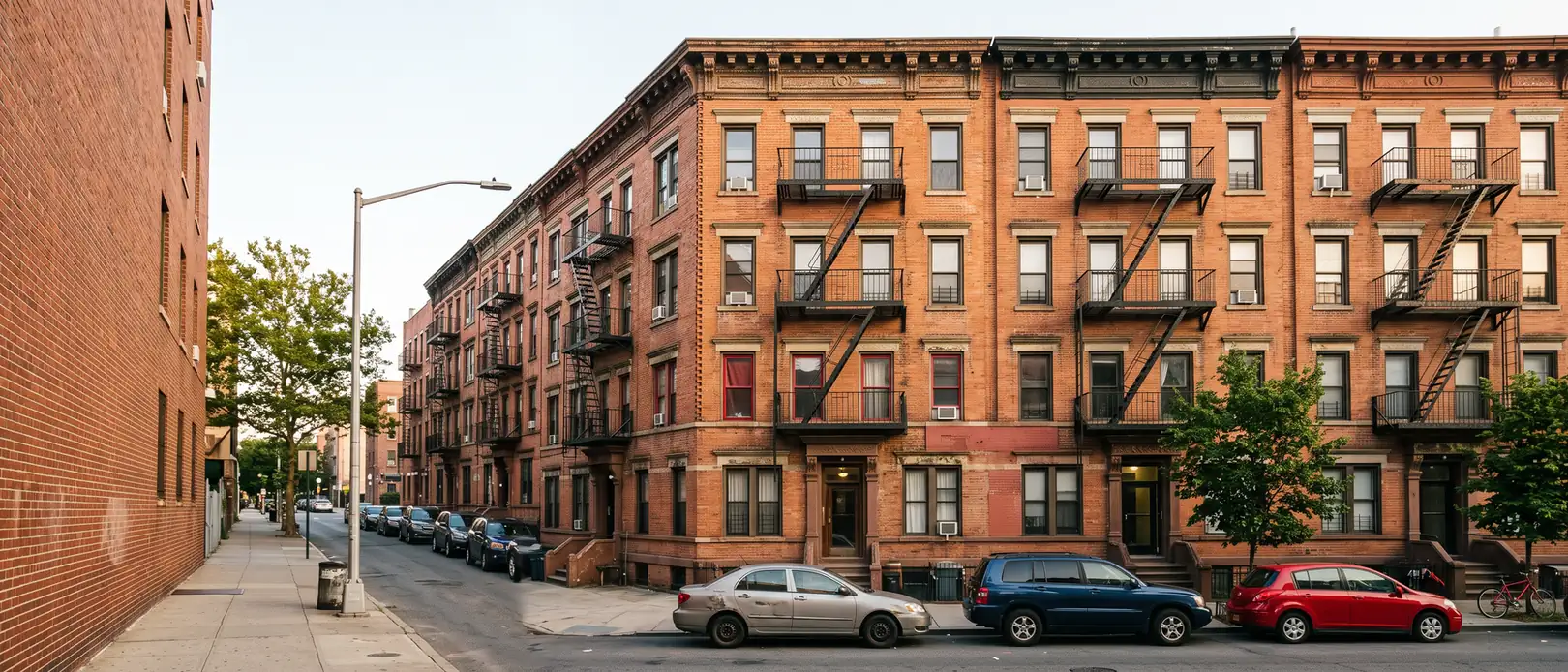
Lead paint violations in NYC buildings
An HPD violation is a written order from the housing agency telling your landlord to repair lead paint or finish lead work the law demands.
Pick the borough if you know it. No lot or building number needed.
Using the HPD violations lookup
Start by choosing your borough, then enter the house number and street as you would on mail, like "710 E 243rd St." No lot number or building ID is needed.
You'll see 4 things:
- The count of lead paint violations still open
- How many of them are class C
- When the most recent lead order was issued
- The total number of lead orders in HPD's records for the building
The lookup draws on NYC Open Data, which holds lead orders for 26,976 buildings in HPD's files, whether those orders are still open or already closed. Buildings with at least 10 open lead orders issued since the start of 2023 also get a page of their own, where each order is broken out by unit, by the spot in the home, with its date and status. Keep in mind that a building with no lead order doesn't prove the paint there is lead free.
- NYC buildings with open lead paint violations
- 15,974
- open lead paint violations
- 92,446
- of open lead violations are class C, immediately hazardous
- 89%
What the HPD lead paint orders mean
Each HPD order belongs to a class. Class C is the one for immediate hazards. An order stays open until HPD closes it, and a lead order closes only after a state-certified lab checks the dust samples and HPD reinspects. Most open lead paint violations are class C: 82,412 of the 92,446 open violations citywide.
For a class C peeling or damaged lead paint hazard, HPD's rules give the owner 21 days to correct the violation. Miss that deadline and the penalty runs $250 per day, capped at $10,000. Lead orders of other kinds, like failing to keep records, come with fines of their own.
Local Law 1 of 2004, the city's core lead paint statute, is where these orders come from. It assumes buildings put up before 1960 contain lead paint. When a child under 6 is in the apartment 10 or more hours a week, the law adds more duties. An unresolved class C order can help a case reviewer understand what HPD told the owner to fix and when.
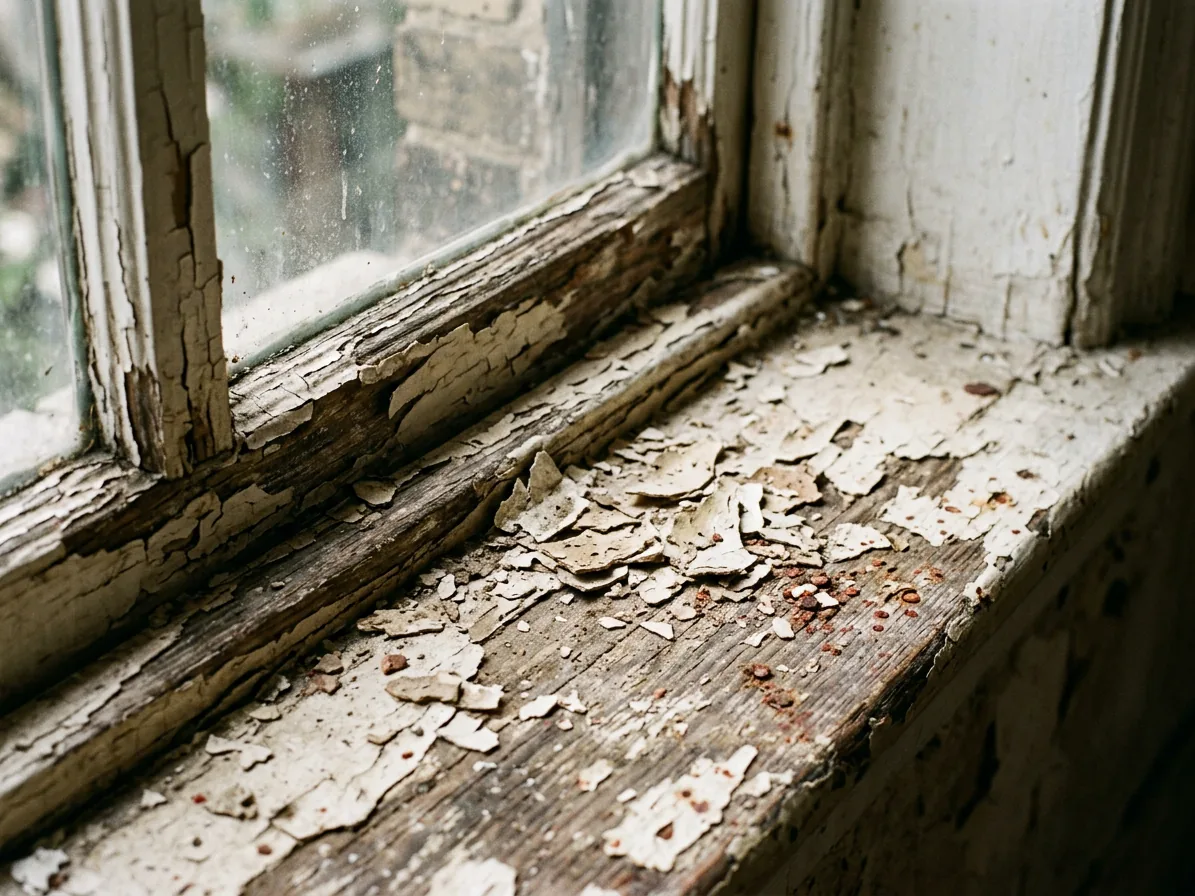
Lead paint in NYC and your child's blood test

When a child in your building shows a high lead result on a blood test, start with the city's file of lead paint violations for your address. Type your borough and street address into the search tool to pull up your building's history, then reach out for a free case review of what's in that file.
Nothing matters more than your child's health, so stick to the care and retesting schedule the doctor lays out. The CDC's blood lead reference value is 3.5 µg/dL, and it asks for follow-up on any result at or above it, so ask your doctor what your child's number means.
If your child's test result is elevated and lead paint problems exist in the building, a claim against your landlord may be possible. What the building record shows is the lead work HPD ordered and when. The record alone can't tell you if your child came into contact with lead or for how long, but a case reviewer can look at it alongside your child's blood test results.
Deadlines matter. New York usually gives injury claims 3 years to be filed, and for a child the clock doesn't start running until age 18, per CPLR 214. Suing the city or NYCHA is different: those cases generally require a notice of claim within 90 days.
The case review costs nothing. Most New York injury lawyers take a percentage of whatever money comes in, set down in a written agreement, instead of charging up front. Some deadlines are as short as 90 days, so call today with your child's blood test results and your building's record nearby for a free case review.
Free case review with a lead paint law firm
Call (888) 503-5930You talk to a case reviewer for the law firm that advertises here. Calls may be recorded.
Most New York injury lawyers charge a share of any money recovered, agreed in writing, not an upfront fee. How these fees work
Your next steps
- Keep children away from peeling paint. Wash hands, toys, pacifiers, window sills and floors often, and keep children away from rooms where repair work makes dust. Don't sand, scrape or repaint old paint yourself, because that creates lead dust.
- Get your child tested. If you think your child was exposed, get a blood lead test from the doctor now. At age 1, and once more at age 2, New York also requires the test. How the test works
- Put your complaint in writing. Tell your landlord about the peeling paint, and whether a child under age 6 lives there. Free letters in English and Spanish
- Report the problem to HPD. Call 311, or report it online, about peeling paint or repair work that makes dust. Filing is free, and your immigration status doesn't matter.
- Child tested high for lead? Follow the doctor's plan for retesting, then talk to a lead paint lawyer about the building's record: call (888) 503-5930.